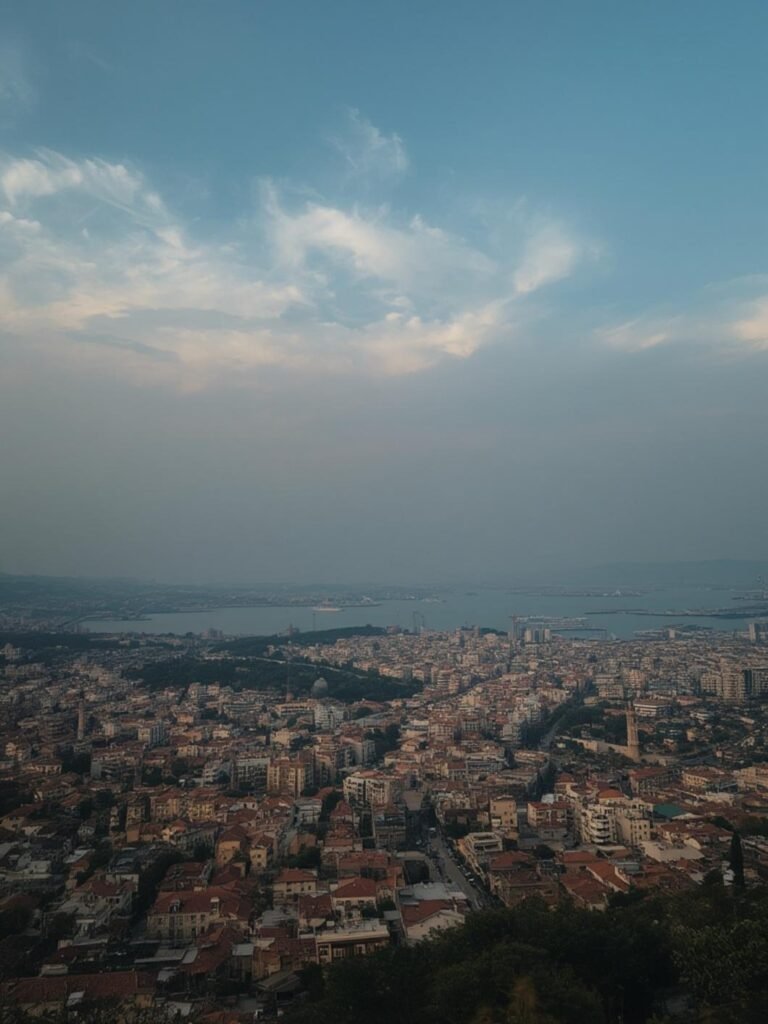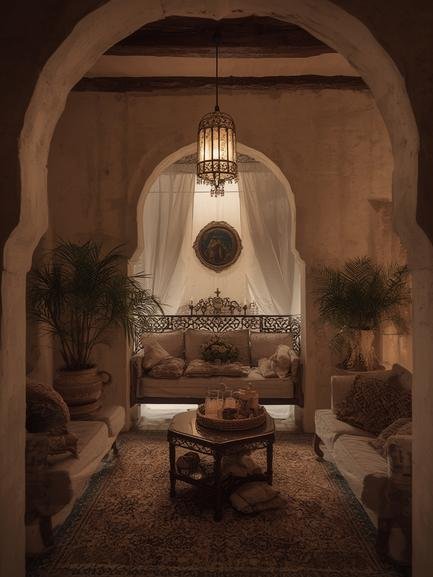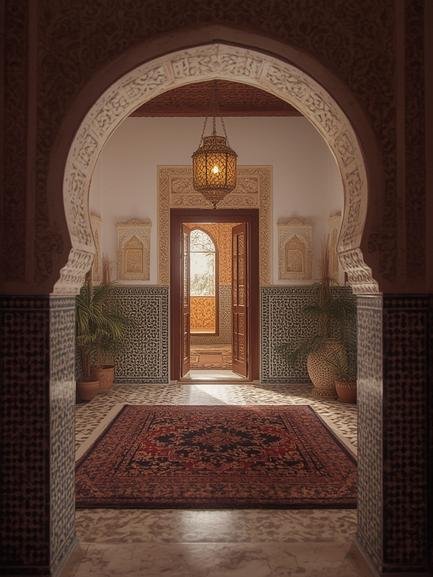

Are you planning a trip to Morocco’s capital city and wondering what treasures await you? Rabat attractions offer an intriguing blend of ancient history and modern urban life that captivates visitors from around the world. As Morocco’s political and administrative center, Rabat presents a more relaxed alternative to bustling Marrakech, while still delivering rich cultural experiences and stunning architecture.
The city’s unique combination of Islamic, French colonial, and contemporary influences creates a fascinating backdrop for travelers seeking authentic Moroccan cultural experiences. Whether you’re drawn to UNESCO World Heritage sites or vibrant local markets, Rabat rewards curious explorers with memorable encounters at every turn.
History & Cultural Background
Rabat’s story begins in the 12th century when Almohad ruler Abd al-Mu’min established a fortress called Ribat al-Fath (Fortress of Victory). The city gained prominence during the Almohad Caliphate but experienced decline until the French Protectorate period (1912-1956), when it was designated as Morocco’s capital. This decision permanently altered Rabat’s trajectory, transforming it into an administrative hub with distinctive urban planning that merged traditional Moroccan architecture with French colonial design.
The city’s most significant historical period spans from the Almohad era through the modern age, with monuments reflecting various dynasties that shaped Morocco’s cultural identity. In 2012, UNESCO recognized Rabat’s unique blend of historical periods by designating its modern capital and historic city as World Heritage Sites, acknowledging the harmonious coexistence of Islamic, modernist, and contemporary urban planning and architecture.
Architectural Highlights & Key Features
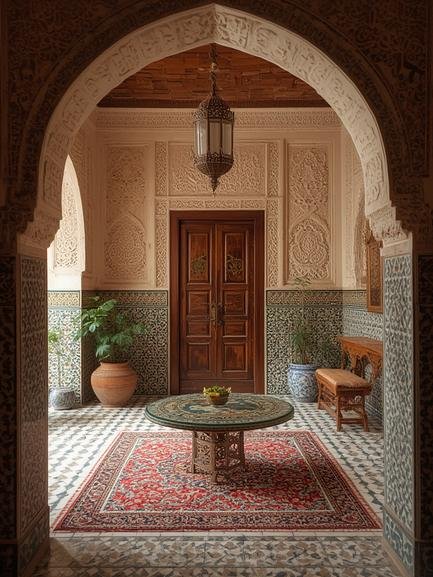
Rabat’s architectural landscape showcases impressive diversity, from ancient ruins to contemporary design. The iconic Kasbah of the Udayas presents stunning Andalusian-influenced architecture with its magnificent gate (Bab Oudaia) featuring intricate geometric patterns and calligraphy. Inside, whitewashed residential streets create an ambiance reminiscent of Santorini but with distinctive Moroccan character.
The Hassan Tower stands as an incomplete masterpiece, originally intended to be the world’s largest minaret in the 12th century. Though construction halted after Sultan Yacoub al-Mansour’s death, the remaining 44-meter tower exemplifies Moroccan architectural genius with its intricate stone latticework and symmetrical design, drawing comparisons to Seville’s Giralda Tower.
Modern Rabat features the striking Mausoleum of Mohammed V, a masterpiece of Alaouite dynasty architecture with its white marble columns, zellige tilework, and carved cedar ceilings. Unlike the grand excess of similar monuments worldwide, this mausoleum impresses with elegant restraint and harmonious proportions.
Best Time to Visit & Practical Information
Rabat enjoys a mild Mediterranean climate, making spring (April-May) and fall (September-October) the ideal seasons to visit when temperatures range between 15-25°C (59-77°F). Summer months can be hot and crowded with domestic tourists, while winter brings occasional rainfall but fewer visitors.
Most monuments operate from 9:00 AM to 5:00 PM, with the Hassan Tower complex and Chellah ruins offering the best lighting conditions in the morning. The Royal Palace grounds are typically closed to the public except during special occasions.
Entry fees are reasonable: Kasbah of the Udayas (10 MAD), Chellah (70 MAD), and Mohammed V Mausoleum (free). A convenient tram system connects major attractions for 6 MAD per journey, while petit taxis offer affordable transportation throughout the city (use meter or negotiate price before departure).
Step-by-Step Exploration Guide
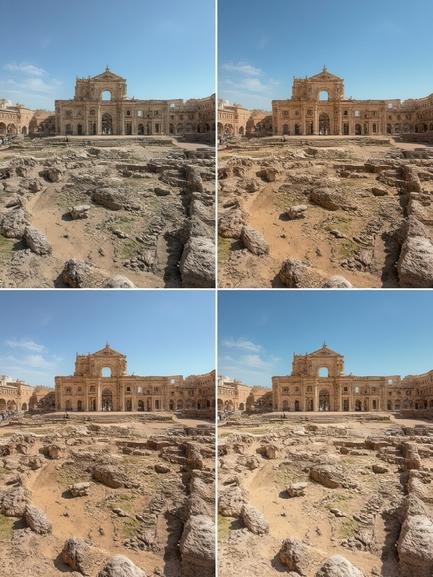
Day 1: Begin at the Hassan Tower and Mausoleum complex, arriving early to avoid crowds. Spend 1-2 hours exploring this area before walking 15 minutes to the Kasbah of the Udayas. Don’t miss the Andalusian Garden and panoramic river views from the platform overlooking the Atlantic. For lunch, visit the charming Café Maure within the Kasbah for traditional mint tea and Moroccan pastries.
In the afternoon, explore the Medina’s craft shops and local markets. The Rabat attractions in the old town offer authentic shopping experiences without the aggressive sales tactics found in other Moroccan cities. End your day at the Corniche for a sunset stroll along the beachfront.
Day 2: Dedicate your morning to the ancient Roman and Islamic ruins at Chellah, where history enthusiasts can witness the fascinating blend of Roman and Merinid civilizations among gardens populated by storks. Later, explore the Museum of Contemporary Art and Villa des Arts to experience Morocco’s thriving Moroccan cultural experiences in the modern arts.
Nearby Attractions, Food & Accommodation
Extend your Rabat experience by visiting Salé across the Bouregreg River, accessible by water taxi. Its Grand Mosque and Medersa offer excellent examples of Merinid architecture without the crowds. For day trips, consider the Roman ruins of Volubilis (2 hours by train) or the blue city of Chefchaouen (3 hours by car).
For authentic dining, visit Dinarjat in the Medina for traditional Moroccan cuisine in a restored riad (150-300 MAD per person). Budget travelers should try Yamal Acham for excellent Middle Eastern food (50-100 MAD) or street food at Rue des Consuls.
Accommodation options range from luxury experiences at Sofitel Rabat Jardin des Roses (2000+ MAD/night) to charming mid-range riads like Riad Zyo (700-900 MAD) and budget-friendly Medina Surfing Association Hostel (150-200 MAD).
Travel Tips & Common Mistakes to Avoid
Avoid visiting the Royal Palace expecting entry—instead, appreciate the impressive gates and guards. Don’t rush through the Kasbah assuming it’s just about views; explore its narrow streets and discover hidden cafés. Many travelers mistakenly skip Chellah or allocate insufficient time there—plan at least two hours for this archaeological gem.
Dress modestly, especially when visiting religious sites. Women should carry a light scarf for covering shoulders or head when appropriate. Unlike other Moroccan cities, Rabat’s merchants generally offer fair prices, but some negotiation is still expected in the Medina.
Conclusion
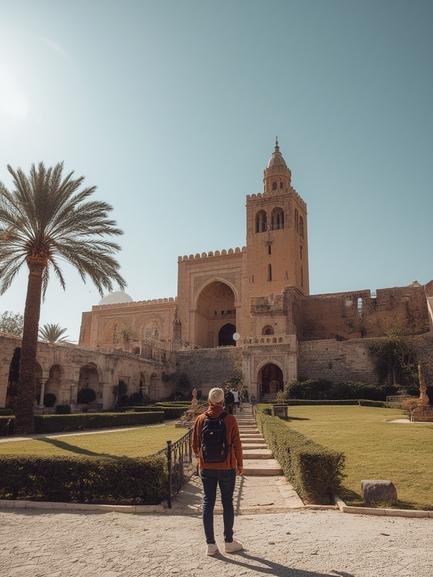
Rabat attractions provide travelers with a perfect introduction to Morocco’s rich cultural heritage without overwhelming sensory experiences found elsewhere. The city’s blend of historical landmarks, colonial architecture, and contemporary urban spaces creates a multifaceted destination that rewards thoughtful exploration. Whether tracing ancient Roman-Berber connections at Chellah or admiring traditional craftsmanship in the Kasbah, visitors will discover authentic Moroccan cultural experiences at every turn. Add Rabat to your Moroccan itinerary not just as a gateway to more famous destinations, but as a remarkable cultural treasure in its own right. Have you explored Rabat’s historical wonders? Share your experiences in the comments and discover more Moroccan destination guides on our website!
FAQs
How many days should I spend in Rabat to see the main attractions?
Two full days allow you to explore the major sites comfortably, though history enthusiasts might prefer three days to include nearby Salé and museum visits.
Is Rabat safe for solo female travelers?
Yes, Rabat is considered one of Morocco’s safest cities with less harassment than tourist hubs like Marrakech. Exercise standard precautions, dress modestly, and avoid isolated areas after dark.
Can I take photographs at all the attractions in Rabat?
Photography is permitted at most sites except inside the Mohammed V Mausoleum’s main chamber and certain areas of the Royal Palace. Always ask permission before photographing locals.
What’s the best way to get around Rabat for sightseeing?
The modern tram system connects many major attractions, while walking is pleasant in the Medina and Kasbah areas. Petit taxis are abundant and affordable for longer distances.
Are credit cards widely accepted at Rabat attractions and restaurants?
Major hotels, restaurants, and larger shops accept credit cards, but always carry cash (dirhams) for smaller establishments, taxis, and market purchases.