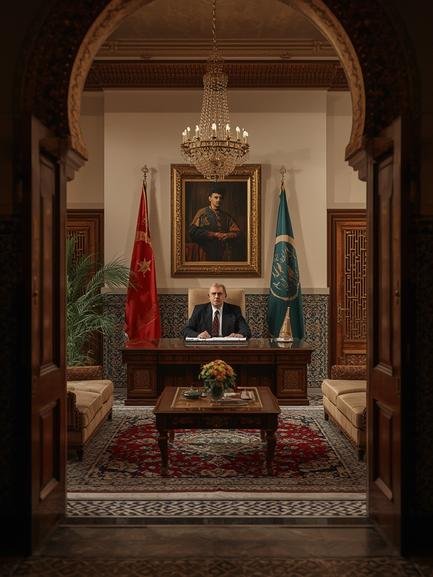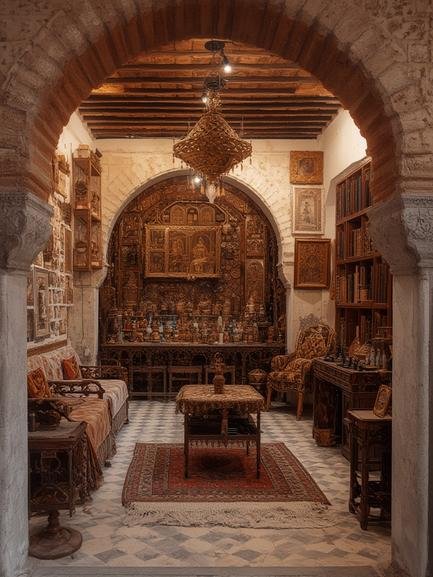

Have you ever dreamed of exploring a city where imperial heritage meets coastal charm and modern urban development? Rabat travel guide offers exactly this captivating blend, making Morocco’s capital an often overlooked gem on the North African tourist trail. While many travelers rush to Marrakech or Fes, Rabat rewards visitors with a more laid-back experience that combines stunning historical monuments, pristine beaches, and elegant wide boulevards without the overwhelming crowds.
The city’s UNESCO World Heritage status acknowledges its exceptional preservation of different periods of Moroccan history, from ancient Roman ruins to Islamic monuments and Moroccan architecture that showcases the country’s design heritage in its most refined form.
History & Cultural Background
Rabat’s story begins in the 3rd century BCE as a Phoenician trading post, though its most significant development came in the 12th century when Almohad Sultan Abd al-Mu’min established it as a fortified military camp called “Ribat al-Fath” (Camp of Victory). The city reached its golden age under the Almohad dynasty, which constructed its most iconic landmarks, including the Hassan Tower.
When the French established their protectorate over Morocco in 1912, they designated Rabat as the administrative capital, adding wide boulevards and administrative buildings in French colonial style. After independence in 1956, King Mohammed V maintained Rabat as the country’s capital, balancing tradition with modernization. Today, Rabat stands as one of Morocco’s four imperial cities, alongside Fes, Marrakech, and Meknes, each representing different dynasties that shaped the nation’s history.
Architectural Highlights & Key Features
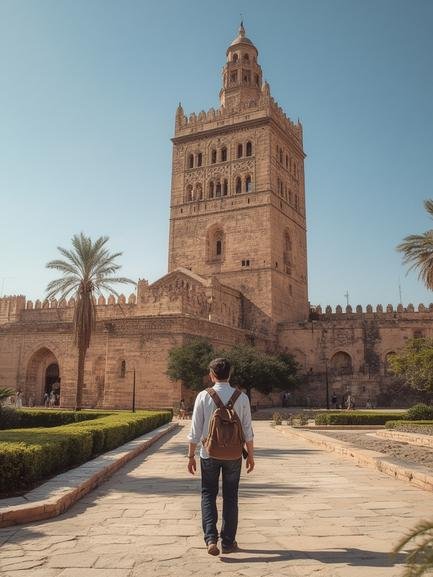
Rabat’s architectural landscape is dominated by several magnificent structures. The Hassan Tower, begun in 1195, was intended to be the world’s largest minaret but was never completed following Sultan Yacoub al-Mansour’s death. Nearby stands the mausoleum of Mohammed V, a masterpiece of modern Alaouite dynasty architecture featuring traditional Moroccan craftsmanship with its zellige tilework and carved cedar ceilings.
The Kasbah of the Udayas, perched on a cliff overlooking the Atlantic Ocean and Bou Regreg River, features distinctive blue and white painted streets reminiscent of Greek islands but with distinctive Andalusian influences. This fortress city within a city includes the Andalusian Gardens, a tranquil refuge of exotic plants and ornate fountains.
Unlike the maze-like medinas of Fes or Marrakech, Rabat’s old city is more navigable while still offering authentic souks, artisanal workshops, and historical monuments. The city’s architectural style reflects a unique fusion of Moorish, Andalusian, and French colonial influences that distinguishes it from other Moroccan cities.
Best Time to Visit & Practical Information
Rabat enjoys a mild Mediterranean climate, making spring (April-May) and fall (September-October) the ideal times to visit when temperatures hover between 65-75°F (18-24°C). Summer can be hot but more moderate than inland cities, while winter brings occasional rain but remains relatively mild.
Most historical sites open from 9:00 AM to 6:00 PM, with the Hassan Tower complex and Kasbah accessible until sunset. The Mausoleum of Mohammed V closes during prayer times. Entry fees are modest (30-70 dirhams/$3-7 USD), with many public gardens and the beach free to access.
The city is well-connected by a modern tram system (single trip: 6 dirhams/$.60 USD), and blue petit taxis provide affordable transportation within city limits. From Casablanca’s Mohammed V International Airport, the ONCF train reaches Rabat in about 1 hour for approximately 70 dirhams ($7 USD).
Step-by-Step Exploration Guide
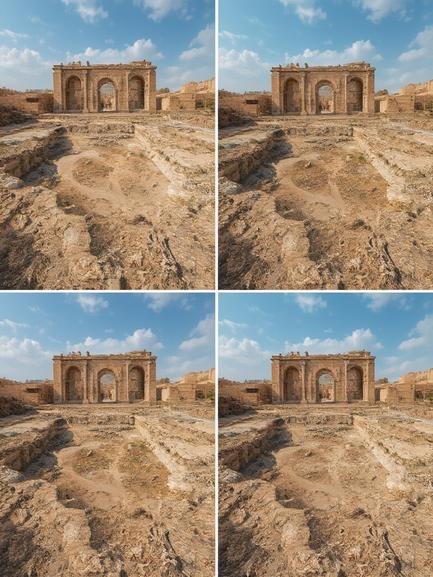
Begin your exploration at the Hassan Tower complex, arriving early to avoid crowds and capture the morning light on the salmon-colored stonework. Take time to observe the 200 unfinished columns that would have supported the mosque and visit the adjacent Mausoleum of Mohammed V to witness the impressive Moroccan craftsmanship that makes any Rabat travel guide incomplete without this stop.
Next, walk 15 minutes north to the Kasbah of the Udayas. Enter through the impressive 12th-century gate and explore the narrow blue and white streets. Stop at Café Maure within the Andalusian Gardens for mint tea overlooking the river—a perfect spot to observe local Moroccan architecture while resting your feet.
In the afternoon, explore the medina, entering through Bab El Had gate. Unlike other Moroccan medinas, Rabat’s is relatively straightforward to navigate. Visit the Mellah (former Jewish quarter), shop for handwoven Rabati carpets known for their fine quality, and explore the Andalusian-style riads.
End your day with sunset at Rabat Beach (Plage de Rabat), where locals gather for evening strolls along the corniche. For the best views of the city’s skyline, cross the river to Salé on the small blue boats called “barcas” (2 dirhams/$.20 USD).
Nearby Attractions, Food & Accommodation
Just 30 minutes outside Rabat lies Chellah, a necropolis containing both Roman ruins and Islamic monuments, where storks nest atop ancient minarets. The beachside town of Temara offers more secluded beaches, while the Sidi Bouknadel Exotic Gardens showcase plants from around the world in creative landscapes.
For authentic cuisine, try Dinarjat (hidden in the medina, requiring reservation) for traditional Moroccan dishes in a restored riad. More casual options include Dar Naji for tagines and Le Dhow, a boat restaurant on the Bou Regreg offering fusion cuisine and river views.
Accommodation ranges from luxury options like Sofitel Rabat Jardin des Roses (from $150/night) to mid-range riads such as Riad Kalaa ($80-100/night) and budget-friendly Medina Surfing Association hostel ($15-20/night) for travelers seeking local connections.
Travel Tips & Common Mistakes to Avoid
Many visitors underestimate Rabat, allocating just a day trip, but the city deserves at least 2-3 days to fully appreciate its attractions and relaxed pace. Unlike Marrakech, Rabat’s medina has fewer persistent vendors, but still practice polite but firm declining of unwanted services.
Avoid visiting major sites during Friday prayers (noon-2 PM) when religious sites close. Don’t miss the Museum of Modern Art (MMVI), which showcases contemporary Moroccan artists often overlooked by tourists. When photographing people, always ask permission first—many locals appreciate a small tip for photos.
Pack layers even in summer as evening sea breezes can be cool. Women travelers will find Rabat more relaxed regarding dress codes than other Moroccan cities, though modest clothing is still appreciated when visiting religious sites.
Conclusion
The Rabat travel guide reveals a city that perfectly balances history, culture, and modernity without the overwhelming tourist crowds found elsewhere in Morocco. Its unique blend of ancient monuments, colonial heritage, and exquisite Moroccan architecture creates an atmosphere that feels both authentically Moroccan and distinctly cosmopolitan. Whether you’re marveling at centuries-old monuments, strolling through blooming gardens, or sampling fresh seafood along the Atlantic coast, Rabat offers a more relaxed introduction to Morocco’s rich cultural tapestry. Consider adding this elegant capital to your Moroccan itinerary for a deeper understanding of the country’s past and present. Have you visited Rabat? Share your experiences in the comments below or explore our other guides to Morocco’s imperial cities!
FAQs
Is Rabat safe for tourists?
Rabat is considered one of Morocco’s safest cities, with lower levels of harassment and scams than more tourist-heavy destinations. Standard precautions regarding valuables and late-night walking apply, but most visitors experience no problems.
How long should I spend in Rabat?
While some visitors see the main sites in one full day, 2-3 days allows you to explore at a relaxed pace, including day trips to nearby Salé and Chellah.
Do I need a guide to explore Rabat?
Unlike Fez’s complex medina, Rabat is navigable without a guide. However, a local guide can provide historical context and access to less obvious attractions. Official guides wear badges and can be booked through hotels or the tourist office.
What should I wear when visiting Rabat?
Rabat is relatively cosmopolitan, but modest dress is appreciated. For women, clothing covering shoulders and knees is recommended, especially when visiting religious sites. Beachwear should be reserved for beaches only.
Is Rabat suitable for family travel?
Absolutely! Rabat offers numerous parks, beaches, and interactive museums ideal for families. The lack of overwhelming crowds makes it easier to navigate with children than other Moroccan cities.