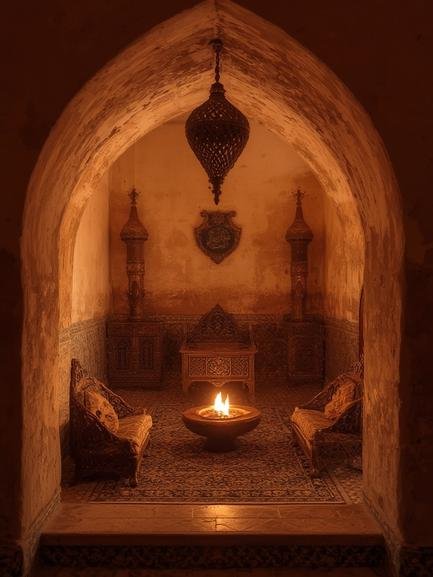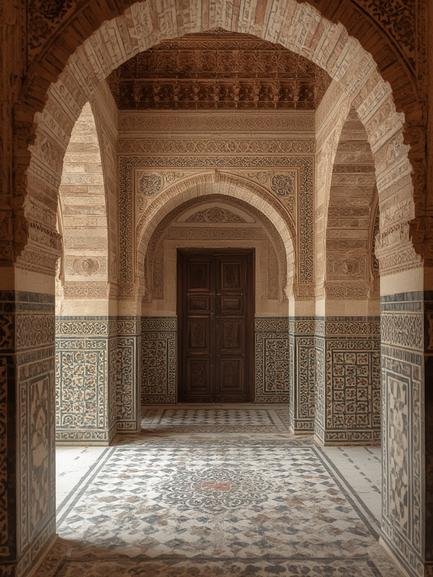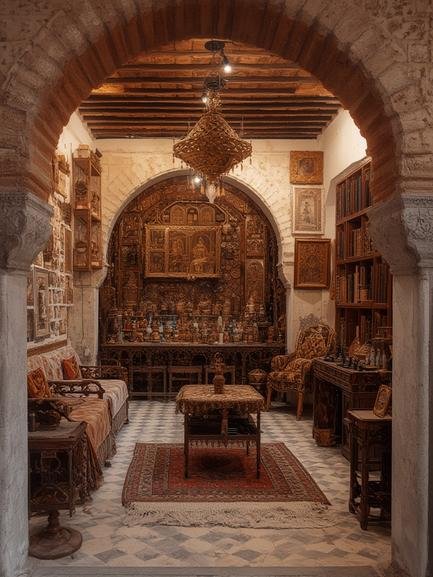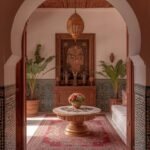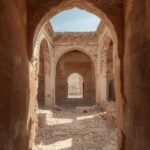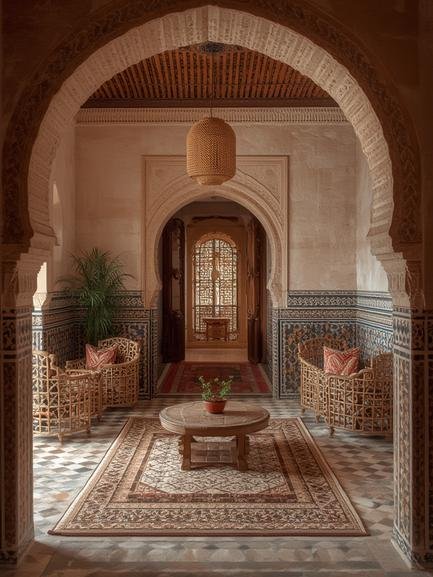

Have you ever dreamed of wandering through ancient fortresses where history whispers from every stone? The Kasbah of the Udayas Rabat offers precisely this enchanting experience, standing as one of Morocco’s most captivating historical treasures. This 12th-century fortress, perched dramatically where the Bou Regreg River meets the Atlantic Ocean, provides visitors with a perfect blend of historical significance and breathtaking ocean views. Whether you’re a history enthusiast or simply seeking authentic Moroccan architecture, this UNESCO World Heritage site delivers an unforgettable journey through time, where Andalusian, Berber, and Arab influences create a cultural tapestry unlike anywhere else in North Africa.
History & Cultural Background

The Kasbah’s story begins in the 12th century when the Almohad dynasty built this fortress as a military stronghold against both Spanish and local tribes. Originally constructed by Almohad ruler Abd al-Mu’min around 1150, the site has witnessed multiple transformations over the centuries. The name “Udayas” comes from the Oudaïa tribe, Arab warriors who settled here in the 17th century during the reign of Alaouite Sultan Moulay Ismail.
This fortress has survived invasions, sieges, and even periods of abandonment, evolving from a military citadel to a pirate haven andThe Kasbah finally to the cultural gem we see today. The 18th century brought significant renovations, including the magnificent Andalusian Garden added during the French Protectorate (1912-1956), completing the harmonious blend of military fortification and artistic beauty that characterizes the Kasbah.
Architectural Highlights & Key Features
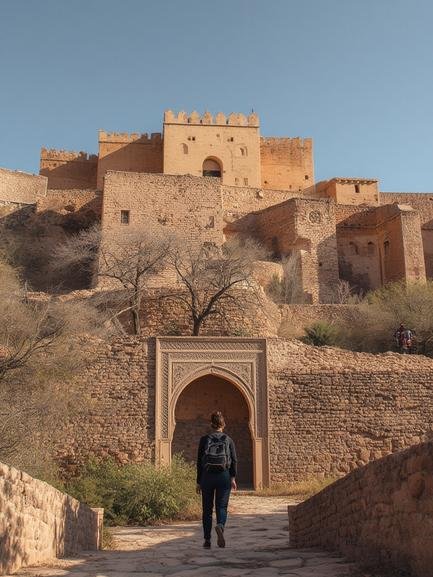
The Kasbah’s most striking feature is its impressive Almohad entrance gate, Bab Oudaïa, with its intricate geometric patterns and horseshoe arch exemplifying Islamic architectural brilliance. Inside, narrow whitewashed streets lined with blue-painted doors and windows create a visual aesthetic reminiscent of Greek islands, yet distinctly Moroccan.
The Andalusian Garden, designed during the French Protectorate, offers meticulously arranged orange trees, fragrant flowers, and ornate fountains in classic Moorish style. The Oudaïa Museum, housed in the former palace of Sultan Moulay Ismail, showcases traditional Moroccan crafts, jewelry, and clothing in a building that itself represents 17th-century Moroccan palatial architecture.
Unlike European fortresses that focus primarily on defensive capabilities, the Kasbah combines military architecture with living quarters, religious spaces, and gardens—similarhaven and to the Alhambra in Granada, Spain, though on a smaller scale.
Best Time to Visit & Practical Information
Visit between April and May—similar or September and OctoberApril and May for ideal weather conditions with temperatures ranging from 68 to 77°FSeptember and October7°F (20 to 25°C). Early mornings (8-10 AM) or late afternoons (4-6 PM) offer the best lighting for photography and fewer crowds.
The Kasbah is open daily from 9 AM to 5 PM, with the Andalusian Garden accessible until 6:30 PM in summer. Entrance to the Kasbah itself is free, while the Oudaïa Museum charges a modest 10 MAD (approximately $1). Modest dress is recommended, particularly for women visiting the mosque areas.
From Rabat’s city center, take a petit taxi (approximately 20 MAD) or walk 20 minutes from the medina. For a more authentic experience, approach from the beach side, climbing the steps for a dramatic reveal of the fortress and spectacular views.
Step-by-Step Exploration Guide
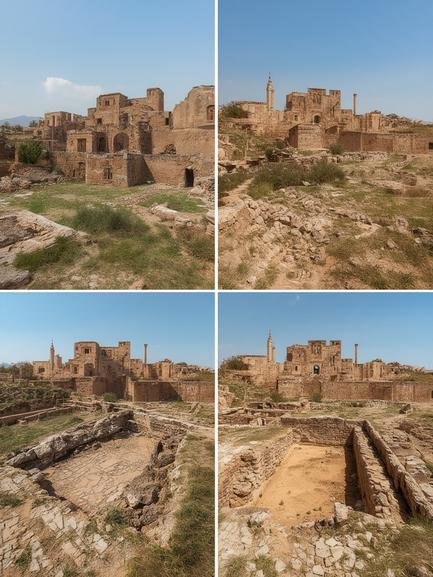
Begin your journey at the imposing Bab Oudaïa gate, pausing to admire its 12th-century Almohad craftsmanship. After entering, take the first right and follow the narrow streets upward toward the platform overlooking the Atlantic Ocean and Salé city across the river—a perfect photo opportunity capturing the essence of the Kasbah of the Udayas in Rabat.
Next, explore the residential area with its distinctive blue and white buildings, where local artisans often display their crafts. Don’t rush through these winding alleys; the charm lies in getting slightly lost among the centuries-old walls where Moroccan architecture showcases its timeless appeal.
Continue to the Oudaïa Museum to examine traditional Moroccan artifacts before descending to the tranquil Andalusian Garden. Finish your tour at Café Maure overlooking the river—order traditional mint tea and Moroccan pastries while absorbing the stunning views across the water.
Nearby Attractions, Food & Accommodation
Within walking distance, visit Hassan Tower and the Mohammed V Mausoleum (15 minutes), Rabat’s Medina (10 minutes), or Chellah Necropolis (30 minutes by taxi). For an authentic dining experience, try Dar El Medina for traditional Moroccan cuisine or the seafood restaurants along the marina below the Kasbah.
Stay at Dar Mayssane Riad inside the Kasbah for a truly immersive experience (mid-range, $80-120/night), Hotel Oudaïa near the entrance (budget, $40-60/night), or splurge at Villa Mandarine in the embassy district (luxury, $150-200/night) for elegant gardens and pools.
Travel Tips & Common Mistakes to Avoid
Avoid visiting on Mondays when the Oudaïa Museum is closed, and don’t limit your visit to midday when the harsh sunlight diminishes photographic opportunities. Many tourists overlook the residential areas, focusing only on the main platform viewpoint—explore deeper to discover the Kasbah’s true character.
Bring cash for small purchases, as many vendors don’t accept cards. Don’t forget to negotiate prices when shopping, but do so respectfully—start at about half the initial asking price. Women travelers should consider bringing a light scarf for mosque areas.
Conclusion
The Kasbah of the Udayas Rabat offers far more than just historical significance—it provides a living connection to Morocco’s rich past while showcasing the enduring beauty of Moroccan architecture. This ancient fortress, with its stunning ocean views, maze-like streets, and cultural treasures, deserves a prominent place on any Morocco itinerary. Whether you spend a few hours wandering its paths or a full day absorbing its atmosphere, the Kasbah rewards visitors with authentic insights into Moroccan heritage rarely found in more commercialized destinations. Have you experienced this architectural gem? Share your thoughts and photos in the comments below, or explore our guides to other magnificent Moroccan destinations!
FAQs
How much time should I allocate for visiting the Kasbah of the Udayas?
A thorough visit requires 2-3 hours, allowing time for the museum, garden, viewpoints, and a relaxing tea break.
Is the Kasbah accessible for visitors with mobility challenges?
Parts of the Kasbah present challenges with steep paths and stairs. The main entrance area and Andalusian Garden are accessible, but the narrow residential streets and viewpoints may be difficult to navigate for wheelchair users.
Are there guided tours available at the Kasbah?
Official guides can be hired at the entrance for approximately 100-150 MAD (10-15 USD) for a one-hour tour. Alternatively, download the Rabat Tourism app for a self-guided audio tour.
What photography restrictions exist within the Kasbah?
Photography is generally permitted throughout the Kasbah, including the museum’s exterior. Inside the museum and residential homes, always ask permission before taking photos of people or private property.
Is the Kasbah safe for solo female travelers?
Yes, the Kasbah is considered quite safe and is regularly patrolled. However, as with any tourist destination, remain aware of your surroundings and visit during daylight hours for the most comfortable experience.