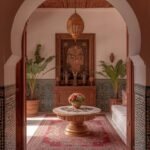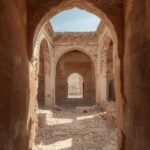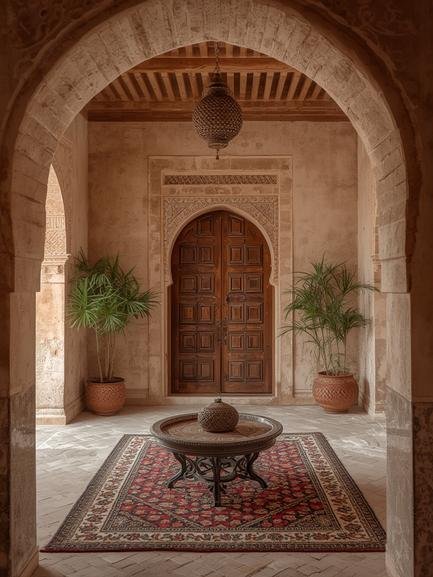

Have you ever wandered through a 12th-century fortress where time seems to stand still among narrow blue and white alleyways? The Kasbah of the Udayas Rabat offers precisely this magical experience as one of Morocco’s most enchanting historical treasures. Standing majestically at the mouth of the Bou Regreg River, this ancient citadel provides a perfect glimpse into Morocco’s rich cultural heritage while offering breathtaking views of the Atlantic Ocean. For history enthusiasts and photographers alike, the fortress represents an authentic journey through Moroccan Islamic architecture with its intricate designs, ornate doorways, and serene gardens that showcase the artistic brilliance of various dynasties that ruled this region.
History & Cultural Background

Originally built in the 12th century during the Almohad dynasty, the Kasbah served as a strategic military fortress to protect the city from maritime invasions. The name “Udayas” comes from the Arab tribe that settled here during the 17th century under the Alaouite Sultan Moulay Ismail. Throughout its existence, the fortress has witnessed multiple transformations under different rulers, including the Almoravids, Merinids, and eventually the Alaouites.
The site gained UNESCO World Heritage status in 2012 as part of Rabat’s recognition for its modern and historical significance. What makes the Kasbah particularly fascinating is how it embodies Morocco’s historical narrative through its architecture—each gate, wall, and courtyard tells a story of defense, governance, and artistic expression spanning nearly nine centuries.
Architectural Highlights & Key Features
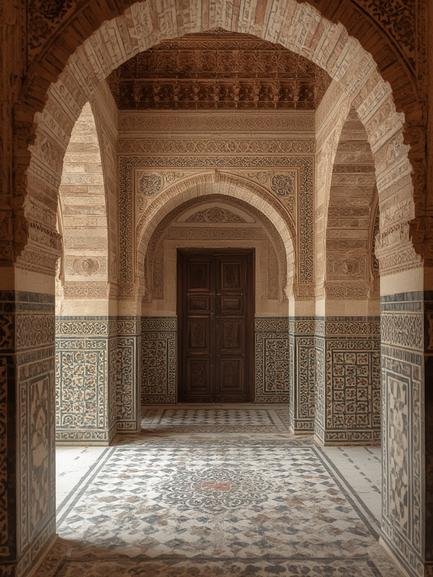
The Kasbah is recognizable by its imposing 12-meter-high walls and the magnificent Bab Oudaia, the monumental gate decorated with intricate geometric patterns that welcomes visitors. This grand entrance features a horseshoe arch adorned with detailed stonework typical of Almohad construction techniques.
Inside, the narrow streets lined with whitewashed houses accented with vibrant blue paint create a Mediterranean ambiance reminiscent of Greek islands, though distinctly Moroccan in character. The Andalusian Garden, designed during the French Protectorate, combines Islamic garden traditions with European landscaping principles, featuring fountains, fragrant orange trees, and carefully manicured pathways.
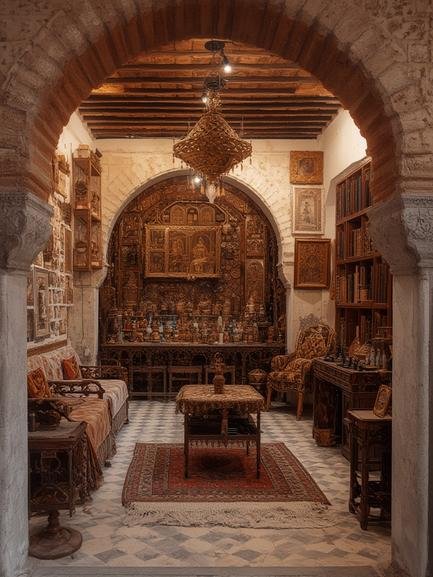
The Oudaias Museum, housed in a 17th-century palace within the Kasbah, displays traditional Moroccan crafts, jewelry, and musical instruments. Perhaps most spectacular is the Kasbah’s platform (plaza) offering panoramic views where the Bou Regreg River meets the Atlantic Ocean—a vista that rivals similar coastal fortresses like Portugal’s São Jorge Castle.
Best Time to Visit & Practical Information
The ideal time to visit the Kasbah is during spring (March to May) and autumn (September to November), when temperatures are pleasant for exploring. For the most magical experience, arrive in the late afternoon when the golden light illuminates the white and blue buildings, creating perfect photography conditions.
The Kasbah is open daily from 8:00 AM to 6:00 PM, with the Andalusian Garden closing slightly earlier at 5:30 PM. Entry to the fortress itself is free, while the museum has a nominal fee of 10 MAD (approximately $1). No specific dress code is required, though modest attire is recommended as a sign of respect.
Public transportation options include taking a petit taxi from downtown Rabat (approximately 20 MAD), or for budget travelers, city buses (#4 or #7) stop nearby. For an authentic experience, consider walking from the Rabat Medina, which takes about 15 minutes.
Step-by-Step Exploration Guide
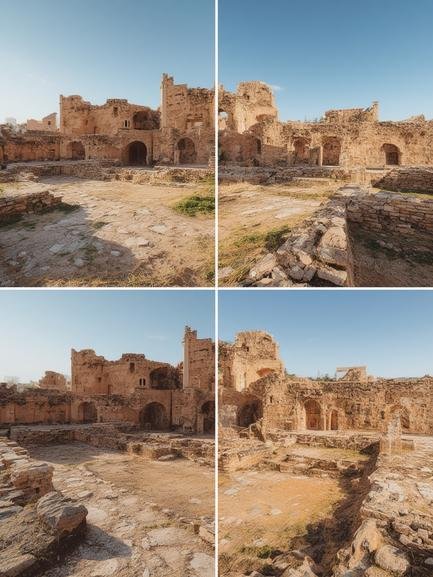
1. Begin at Bab Oudaia—Start your journey through the main gate, taking time to admire the detailed stonework. Capture photos from both outside and inside this architectural masterpiece.
2. Wander the Blue Alleyways—Follow the main path up into the residential area where the Kasbah of the Udayas Rabat reveals its Andalusian influence. These picturesque streets are less crowded in the morning hours.
3. Visit the Oudaias Museum—Explore the collection of Moroccan artifacts housed in the former palace. Don’t miss the traditional Moroccan living quarters display.
4. Relax in the Andalusian Gardens—Take a tranquil break among citrus trees and flowering plants. The central fountain offers a perfect spot for reflection and appreciating Islamic architecture principles in garden design.
5. Head to the Platform Viewpoint—Proceed to the northern edge for spectacular views of the Atlantic Ocean, Salé city across the river, and the modern marina below. This spot is ideal for sunset photographs.
6. Café Maure—Conclude your exploration with traditional Moroccan mint tea and pastries at this historic café overlooking the river.
Nearby Attractions, Food & Accommodation
After exploring the Kasbah, visit the adjacent Rabat Medina for authentic shopping, or walk along the river to see Hassan Tower and the Mausoleum of Mohammed V (15 minutes away). The Chellah Necropolis, combining Roman and Islamic ruins, is just a short taxi ride from the Kasbah.
For dining, try Dinarjat Restaurant in the medina for traditional Moroccan cuisine (200-300 MAD per person), or the more affordable Café Restaurant El Bahia (80-150 MAD) for tasty local dishes. For an authentic Kasbah experience, enjoy seafood at Le Dhow, a restaurant on a wooden boat docked in the marina.
Stay at Dar El Kebira riad within the Kasbah for an immersive experience (approximately 900 MAD per night), or choose Hotel Rabat for mid-range accommodations (500 MAD). Budget travelers can opt for Medina Hostel (150 MAD per night).
Travel Tips & Common Mistakes to Avoid
– Don’t rush the experience—many tourists spend only 30 minutes here; allow at least 2 hours to fully appreciate the site.
– Bring water and sun protection—there’s limited shade in some areas, and summer temperatures can be intense.
– Visit the museum first—understanding the historical context enhances your appreciation of the architectural details.
– Watch for unofficial guides—only accept services from guides with official badges; negotiate prices beforehand if you hire one.
– Don’t miss the residential areas—some visitors stay only in the garden and viewpoint area, missing the charming blue alleyways.
– Respect residential spaces. – Remember that people live within the Kasbah; avoid photographing residents without permission.
Conclusion
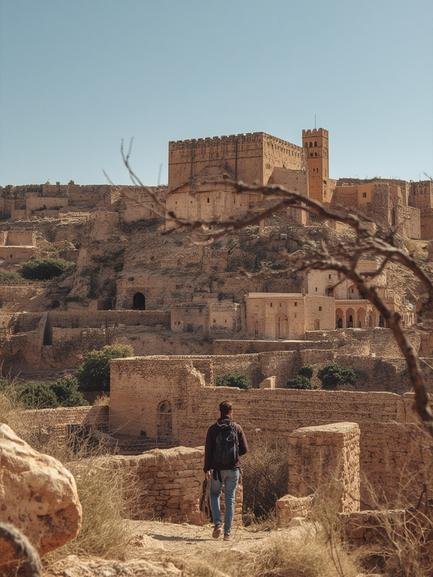
The Kasbah of the Udayas Rabat stands as a living testament to Morocco’s rich cultural tapestry, offering visitors an authentic glimpse into centuries of history within its ancient walls. From its strategic military origins to its current status as a peaceful haven of blue-washed streets and flourishing gardens, this fortress encapsulates the artistic and architectural evolution of Morocco. Whether you’re captivated by the intricate details of Islamic architecture or simply seeking a peaceful escape with breathtaking ocean views, the Kasbah rewards every visitor with unforgettable experiences. As you plan your Moroccan journey, reserve ample time for this historical gem—it may well become the highlight of your entire North African adventure. Have you visited the Kasbah of the Udayas? Share your experience in the comments below, or explore our other guides to Morocco’s imperial cities!
FAQs
How much time should I spend visiting the Kasbah of the Udayas?
Most visitors spend 1.5-2 hours exploring the Kasbah thoroughly, including time for the museum, gardens, and enjoying tea at Café Maure.
Is the Kasbah accessible for people with mobility challenges?
The Kasbah has several steep paths and steps without ramps, making it challenging for wheelchair users or those with mobility issues. The main viewpoint and gardens are more accessible than the narrow residential streets.
Is photography allowed throughout the Kasbah?
Photography is permitted in most areas, including the streets and gardens. Inside the museum, photography may be restricted in certain sections, and always ask permission before photographing local residents.
Is it safe to visit the Kasbah as a solo female traveler?
Yes, the Kasbah is generally safe for solo travelers of all genders during daylight hours. As with any tourist destination, remain aware of your surroundings and avoid isolated areas after dark.
What should I wear when visiting the Kasbah?
Comfortable walking shoes are essential due to the cobblestone streets. While there’s no strict dress code, modest clothing (shoulders and knees covered) is appreciated, especially if you plan to visit religious sites nearby afterward.