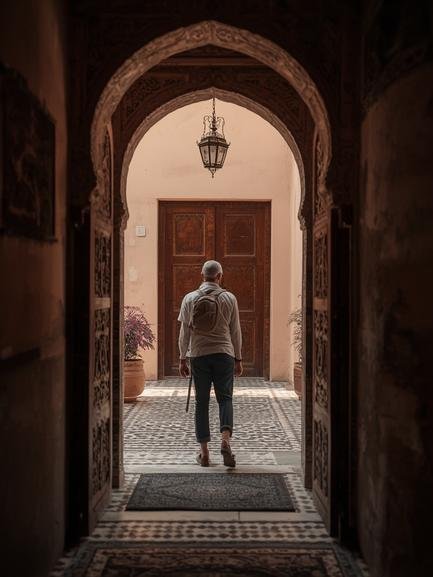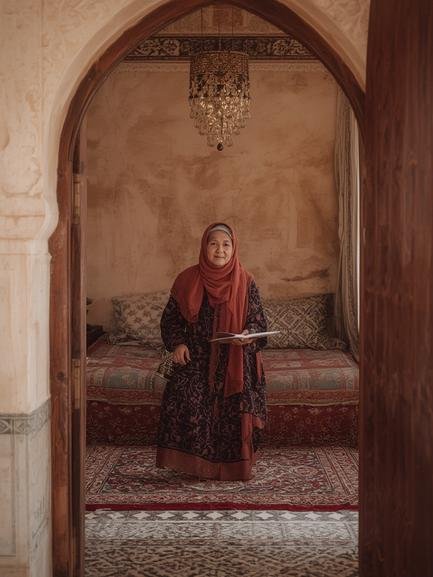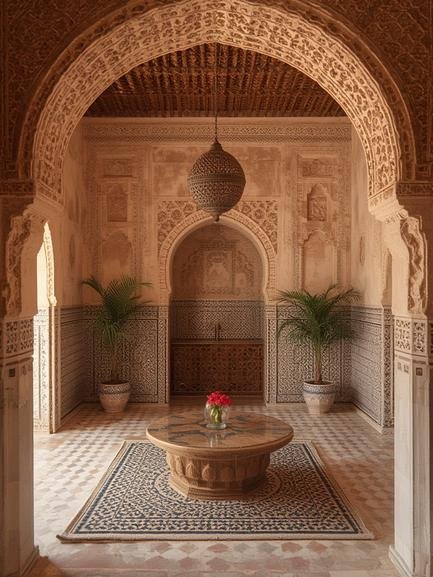

Exploring the enchanting capital of Morocco unveils a treasure trove of historical wonders, cultural richness, and architectural marvels. The Tourist attractions in Rabat offer visitors a perfect blend of ancient heritage and modern charm that captivates history enthusiasts and casual travelers alike. With its UNESCO World Heritage sites, magnificent gardens, and vibrant medinas, Rabat stands as one of North Africa’s most underrated destinations. The city’s Moroccan cultural heritage is evident in every corner, from the intricate designs of its monuments to the warm hospitality of its people.
Whether you’re drawn to ancient ruins or contemporary Moroccan life, Rabat promises an unforgettable journey through time.
History & Cultural Background
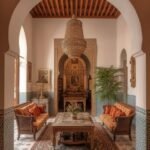
Founded in the 12th century by the Almohad Caliphate, Rabat’s history stretches back even further to Roman times. The city gained prominence when Sultan Muhammad ibn Abdallah built the iconic Kasbah of the Udayas in the 18th century. In 1912, during the French Protectorate period, Rabat was established as Morocco’s capital, a status it retained after independence in 1956.
The city represents a fascinating convergence of Berber, Andalusian, Arab, and European influences. This cultural melting pot is reflected in its architecture, cuisine, and traditions. In 2012, UNESCO recognized Rabat as a World Heritage Site for its unique blend of historic monuments and modern urban planning, citing it as an outstanding example of 20th-century city design that respects and incorporates traditional elements.
Architectural Highlights & Key Features
Rabat’s architectural landscape showcases remarkable diversity and craftsmanship. The Hassan Tower, a 12th-century minaret of an incomplete mosque, stands as a testament to Almohad architectural ambition with its intricate stonework and imposing presence. Nearby, the Mausoleum of Mohammed V exemplifies modern Moroccan design with its white marble, zellige tilework, and carved cedar ceiling.
The Kasbah of the Udayas presents a stunning example of defensive architecture with its imposing ramparts and ornate Andalusian gate. Inside, the peaceful Andalusian Gardens and traditional blue and white houses create a serene atmosphere reminiscent of Greece’s Santorini but with distinctly Moroccan elements.
The Chellah, an ancient Roman ruin later transformed into a medieval Muslim necropolis, offers a unique architectural juxtaposition. Its weathered stones tell stories of different civilizations that have shaped Morocco’s identity through the centuries.
Best Time to Visit & Practical Information
Spring (April-May) and fall (September-October) offer ideal weather conditions for exploring Rabat, with pleasant temperatures between 65-75°F (18-24°C). Summer months can be hot, though milder than inland cities, while winter remains mild but occasionally rainy.
Most monuments open daily from 9:00 AM to 5:00 PM, with the Royal Palace grounds accessible only during specific hours. Entry fees are modest: the Kasbah is free to enter, while the Chellah costs about 70 MAD ($7 USD) and Hassan Tower around 50 MAD ($5 USD).
To reach Rabat, fly into Rabat-Salé Airport or take the efficient train service from Casablanca or Marrakech. Within the city, petit taxis (blue in Rabat) provide affordable transportation, or you can use the modern tram system connecting major attractions.
Step-by-Step Exploration Guide
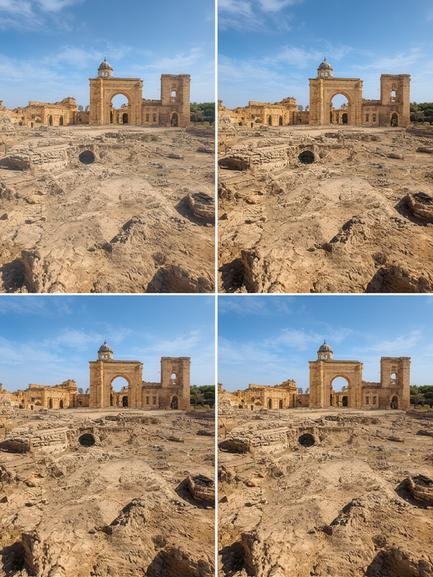
Begin your journey at the Hassan Tower and Mausoleum complex, arriving early to avoid crowds. Spend about an hour appreciating the architectural details and enjoying the spacious esplanade. Next, walk 15 minutes to the picturesque Kasbah of the Udayas, where you’ll discover one of the most photographed Tourist attractions in Rabat. Don’t miss the Rue des Consuls inside, with its array of traditional crafts and the opportunity to see artisans at work.
After lunch, explore the ancient ruins of Chellah, about a 30-minute walk or short taxi ride away. Allow at least two hours to wander among the Roman ruins and medieval Islamic structures while observing the storks that nest atop the walls. End your day in the Medina, where you can experience authentic Moroccan cultural heritage through its bustling souks, traditional cuisine, and handcrafted souvenirs. Pro tip: Visit the oceanfront Mohammed VI Museum of Modern Art if you have an extra day.
Nearby Attractions, Food & Accommodation
Extend your exploration to Salé, Rabat’s sister city across the river, accessible by tram or boat. Its Grand Mosque and medina offer a less touristy experience. The Exotic Gardens of Bouknadel, located 10km north, showcase diverse plant collections in a tranquil setting.
For authentic dining, try Dar Naji for traditional tagines or Dinarjat for an atmospheric dining experience with Moroccan specialties. Budget travelers should explore food stalls in the medina, while Ty Potes offers excellent French-Moroccan fusion for mid-range budgets.
Stay in Riad Kalaa for a luxury heritage experience, Dar El Kebira for mid-range comfort in a restored mansion, or Medina Hostel for budget-friendly accommodations with local character.
Travel Tips & Common Mistakes to Avoid
Many visitors rush through Rabat as a day trip, missing its full charm. Allow at least two full days to properly appreciate the city. Dress modestly, especially when visiting religious sites. Women should carry a scarf for covering shoulders or hair when appropriate.
Avoid taking photographs of government buildings or officials without permission. Remember that the Royal Palace is primarily closed to the public—admire it from designated viewpoints only.
Don’t limit yourself to historical sites—Rabat’s modern side, including the Bouregreg Marina and trendy Agdal neighborhood, offers insights into contemporary Moroccan life. Finally, learn a few basic Arabic or French phrases; locals appreciate the effort and may share insider tips.
Conclusion
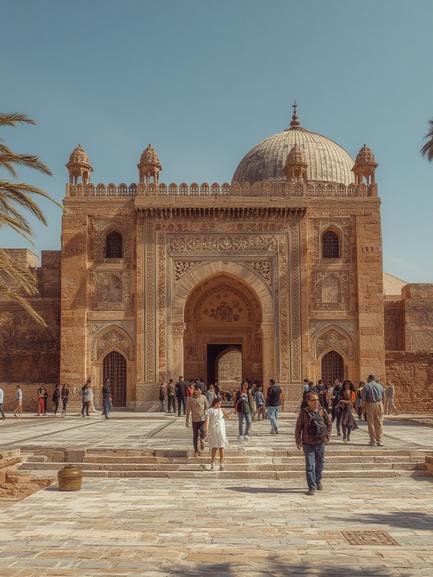
The Tourist attractions in Rabat represent a perfect blend of Morocco’s rich past and dynamic present. From ancient ruins to royal splendor, the city offers an authentic glimpse into the kingdom’s cultural evolution without the overwhelming crowds of more famous destinations. The deeply rooted Moroccan cultural heritage visible in every monument, garden, and traditional craft shop makes Rabat an essential stop on any Moroccan itinerary. As you plan your Moroccan adventure, give Rabat the time it deserves—you’ll be rewarded with unforgettable experiences and a deeper appreciation of this fascinating country. Have you visited Rabat? Share your favorite spots or questions in the comments below, and be sure to check out our guides to Fes and Marrakech for more Moroccan inspiration!
FAQs
How many days should I spend in Rabat?
While you can see the main highlights in one day, 2-3 days allows for a more relaxed pace and the opportunity to experience both historical sites and local life.
Is Rabat safe for tourists?
Yes, Rabat is considered one of Morocco’s safest cities with lower levels of harassment than other tourist destinations. Basic precautions regarding valuables and late-night walks apply, as in any city.
Can I visit the Royal Palace in Rabat?
The interior of the palace is not open to the public, but you can admire its impressive gates and exterior. During certain royal ceremonies, parts of the grounds may be accessible.
Do I need a guide to visit Rabat’s attractions?
While not essential, a local guide can enrich your experience with historical context and cultural insights, especially at archaeological sites like Chellah and the Hassan Tower complex.
What should I wear when visiting Rabat’s religious sites?
Modest clothing that covers shoulders and knees is appropriate. Women are not required to cover their hair except when entering active mosques (note that most mosques are closed to non-Muslims).